Product photos still do most of the selling on a product page, but how they are made, labeled and used is changing fast. Below are eight trends that matter for e-commerce teams in 2026, especially in fashion. Every claim links to its source with a date, because trend lists without sources are easy to write and hard to trust. We make NotShot, an AI on-model photo tool, so we say where it fits at the end and keep it out of the trends themselves.
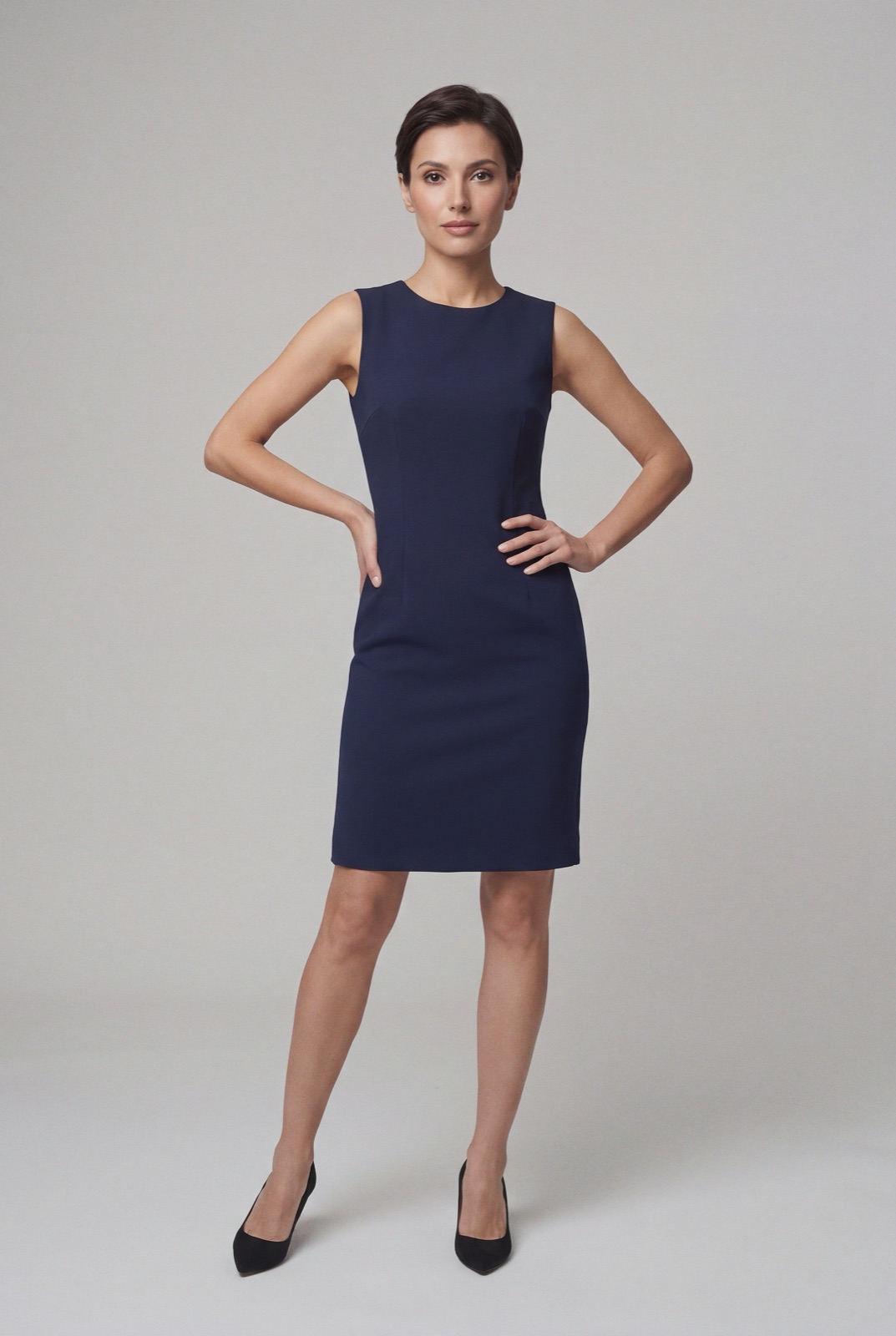
Large fashion retailers now use generative AI for real production work, not just tests. Zalando told Reuters that around 70% of its editorial campaign images in the fourth quarter of 2024 were AI-generated, and that AI cuts the time to produce imagery to around three to four days, down from six to eight weeks (Reuters via Asharq Al-Awsat, 7 May 2025). For catalog teams the same shift is happening on the product page: on-model photos made from a flat lay or packshot instead of a studio day. See AI model photography.
Google Merchant Center now states that all images created using generative AI must contain metadata indicating that the image was AI-generated, for example the IPTC DigitalSourceType tag, and that you should not strip that metadata (Google Merchant Center Help, checked 1 November 2026). If your editing or export pipeline removes metadata, fix that before you upload AI images to your feed.
Article 50 of the EU AI Act requires providers of generative AI systems to mark outputs in a machine-readable format so they are detectable as artificially generated, and it applies from 2 August 2026 (artificialintelligenceact.eu, Article 50, checked 1 November 2026). Brands selling in the EU should check with their tools which marking they apply and keep it intact through editing.
In Salsify research, 61% of shoppers say product images and videos are the biggest product page factor when deciding whether to complete a purchase. The same article cites ChannelSight data that just 15% of product pages feature video (Salsify, 20 January 2026). Good images are the baseline; video is still a gap most competitors have not closed.
Platforms make video easy to add. Shopify product media accepts videos up to 10 minutes long at up to 4K resolution, plus 3D models (Shopify Help Center, checked 1 November 2026). A short clip of a garment moving on a model shows drape and fit in a way stills cannot.
Inconsistent images hurt trust. In Photoroom's State of GenAI in Marketplaces 2026 report, 63% of shoppers said inconsistent images across listings reduce trust in a marketplace, and one in three said they are comfortable with AI-enhanced product images if clearly labeled (Photoroom, checked 1 November 2026). For fashion this means the same model, light and framing across every SKU, which is hard to keep up across many shoot days. See consistent AI model.
Google Shopping lets shoppers virtually try billions of apparel listings on themselves by uploading a photo (Google, 20 May 2025), and since December 2025 that works in the US from a selfie (TechCrunch, 11 December 2025). Try-on is only as good as the garment images it starts from, so clean product photos matter more, not less. Tools are compared in best AI virtual try-on tools for fashion.
Nearly half of shoppers in Salsify's 2026 consumer research say they have returned a product because it did not match the way it was presented online (Salsify, 20 January 2026). Baymard found size accuracy and fit details (48%) are the most sought-after information in reviews among apparel and accessories shoppers (Baymard Institute, 12 June 2026). On-model photos that show the real color, print and cut answer that question before the order.
To compare the tools behind these trends, see the best AI tools for ecommerce product photography in 2026.
Trends 1, 6 and 8 meet in one requirement: AI on-model photos are only useful if they show the garment exactly as it is. NotShot renders your product on your own model and runs every render past an AI judge that compares it with your upload. Renders that fail the check are refunded automatically, so you pay for images that pass, not for attempts. Current plans are on the pricing page. If cost is your main concern, see how to reduce fashion photoshoot costs.