Every clothing brand hits this question early: put the garment on a mannequin, or book a model? A mannequin is cheap, patient and always the same size. A model shows how the garment moves, fits and looks on a person. This guide compares the two, adds the ghost mannequin option, and quotes what Amazon and Zalando ask for, with the date we checked. We make NotShot, an AI on-model photo tool, and say where it fits at the end.
Visible mannequin. The garment is dressed on a mannequin or dress form and photographed as it is. Quick to set up and very consistent, but the mannequin stays in the picture, which can look dated and hides how the fabric falls on a real body.
Ghost mannequin. Also called invisible mannequin. You shoot the garment on a mannequin, then remove the mannequin in editing, so the garment keeps a 3D shape without a body. It looks clean and works well for main images, but needs a mannequin with removable parts and extra editing for the inside back of the neck. See ghost mannequin alternatives.
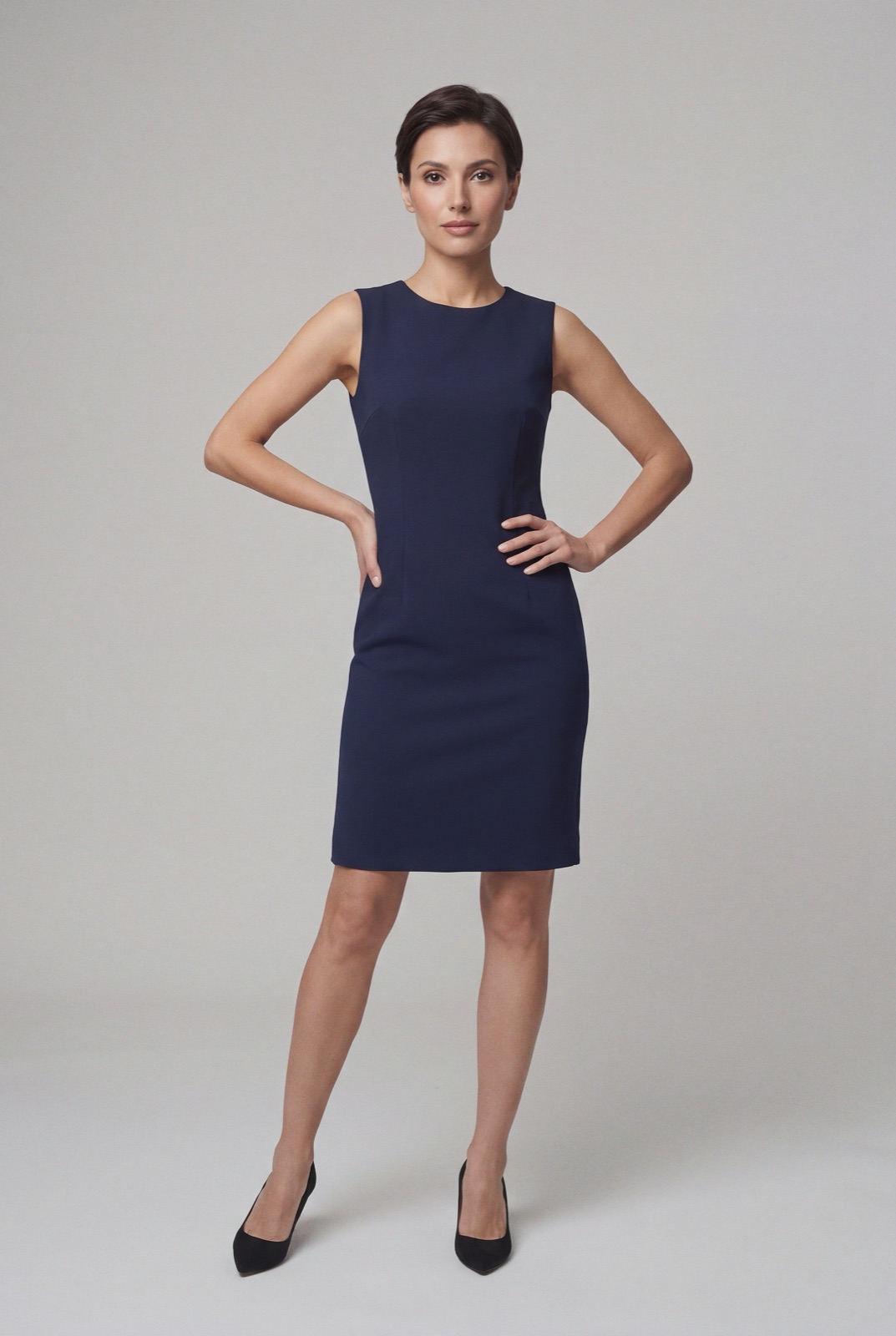
On a model. A person wears the garment. Shoppers see fit, length, drape and how to style it. It costs the most in a classic shoot: model fees, a studio, a photographer, styling and retouching, and you have to rebook the same model for next season to keep the catalog consistent.
Amazon. The Amazon Fashion clothing image style guide (checked 1 November 2026) splits images into off-figure, without a model, and on-figure, with a model. It requires a full-length on-figure main image for dresses of any length and for products that fall at or below the fingertips when worn. Models on the main image must stand and must wear shoes, except for swimwear and sleepwear. Kids and baby items, accessories and multipacks are shot off-figure, laid flat. More in our Amazon fashion image requirements guide.
Zalando. The Zalando apparel image guide (checked 1 November 2026) asks you to use the same model and styling for all views of an article, and for invisible mannequin and flat-lay images to always include the inner back view. Children's nightwear, beachwear, swimwear and underwear must be shown only as packshots, invisible mannequin or flat lay, never on a model. See Zalando image requirements.
Your own store. Shopify and similar platforms leave the choice to you. Many brands use a ghost mannequin or flat lay as the first image and on-model photos for the rest of the gallery. For sizes and formats, see Shopify product image size.
Use a mannequin or ghost mannequin when you need many clean, uniform packshots fast, when the channel asks for off-figure images, or for children's categories where model images are not allowed. Use a model when fit and drape sell the product: dresses, trousers, swimwear for adults, anything where shoppers ask "how does it look on?". Most stores end up with both. For the full setup, lighting and background guide, see clothing product photography: setup, lighting and backgrounds.
The hard part of the model option is not the first shoot, it is keeping the same face and body across every product and every season. An AI model removes the booking, but only helps if the garment comes out exactly as you made it: same color, print, logo and cut. NotShot renders your product photos on your own model and runs every render past an AI judge that compares it with your upload. Renders below the quality bar are refunded automatically, so you pay for photos that pass the check, not for attempts. That check is what our pricing is built around. You can keep your mannequin or flat lay shots as the main image and add on-model photos from them. More on keeping one face across a catalog in consistent AI model.