Etsy's photo rules are short but strict in one place: every listing needs a real, unedited photo of the item. This page collects the requirements from Etsy Help, quoted with the date we checked them, and explains what they mean if you sell clothing and want on-model photos. We make NotShot, an AI on-model photo tool, so we say plainly where AI images are and are not allowed.
Etsy recommends listing photos with a width and height of at least 2000 pixels, and says the first listing photo should be at least 635 pixels wide and high to avoid showing up lower in searches (Etsy Help, image requirements, checked 1 November 2026). Etsy also warns that images larger than 1MB may not finish uploading, especially on a slower connection, so export at a good JPG quality rather than at maximum.
Accepted file types are .jpg, .gif, .png, .svg and .heic; animated .gif and transparent .png files are not supported. Etsy asks you to convert images to sRGB before uploading so the colors on the site match your originals (Etsy Help, checked 1 November 2026). For clothing this matters: a color shift between photo and garment is a common reason for returns.
Etsy shows the same image as square, portrait and landscape thumbnails in different places. Its advice is to avoid square crops, upload horizontal or landscape images, leave enough border that the product survives every crop, and preview the result with the listing thumbnail adjustment tool (Etsy Help). For a garment on a model, that means shooting wider than you would for Shopify or Amazon, with space around the figure.
Under image authenticity, Etsy Help says every listing must include at least one unedited photo of the actual item against a real background, a photo that has not been edited or changed in any way, with some exceptions depending on what you sell. Outside that photo you can use editing tools, including AI, to adjust lighting or color, crop or resize, or change backgrounds. You cannot edit to hide flaws or make the item look different from what the buyer receives, and all images must accurately reflect the item's color, condition, scale and materials (Etsy Help; full policy: Etsy listing image requirements, both checked 1 November 2026).
For clothing sellers this sets a clear structure: one real photo of the garment, then any edited or AI images that stay true to it.
If you sell on several channels, compare with Shopify product image size and Amazon fashion image requirements, or see how to photograph clothes for eBay and Poshmark photo size and how to photograph clothes for Vinted. Each marketplace sets its own rules, so export a separate set per channel.
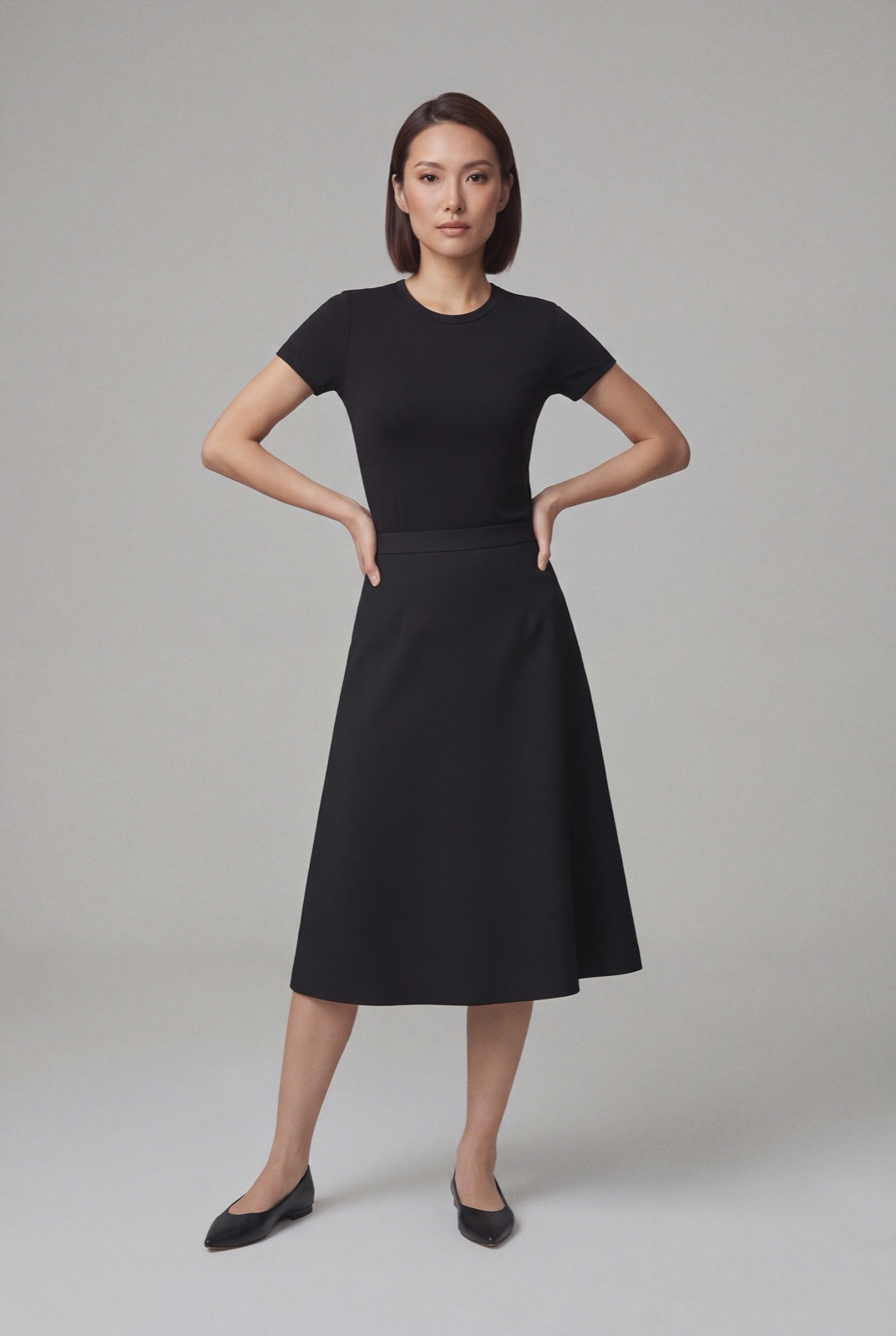
NotShot renders your garment on a model from the product photo you already have, so the unedited photo Etsy requires and your on-model images come from the same source. Every render is checked by an AI judge that compares it with your upload for color, print and cut, which is exactly what Etsy's accuracy rule asks for. Renders that fail the check are refunded automatically, so you pay for photos that pass, not for attempts. Plans are on the pricing page.